

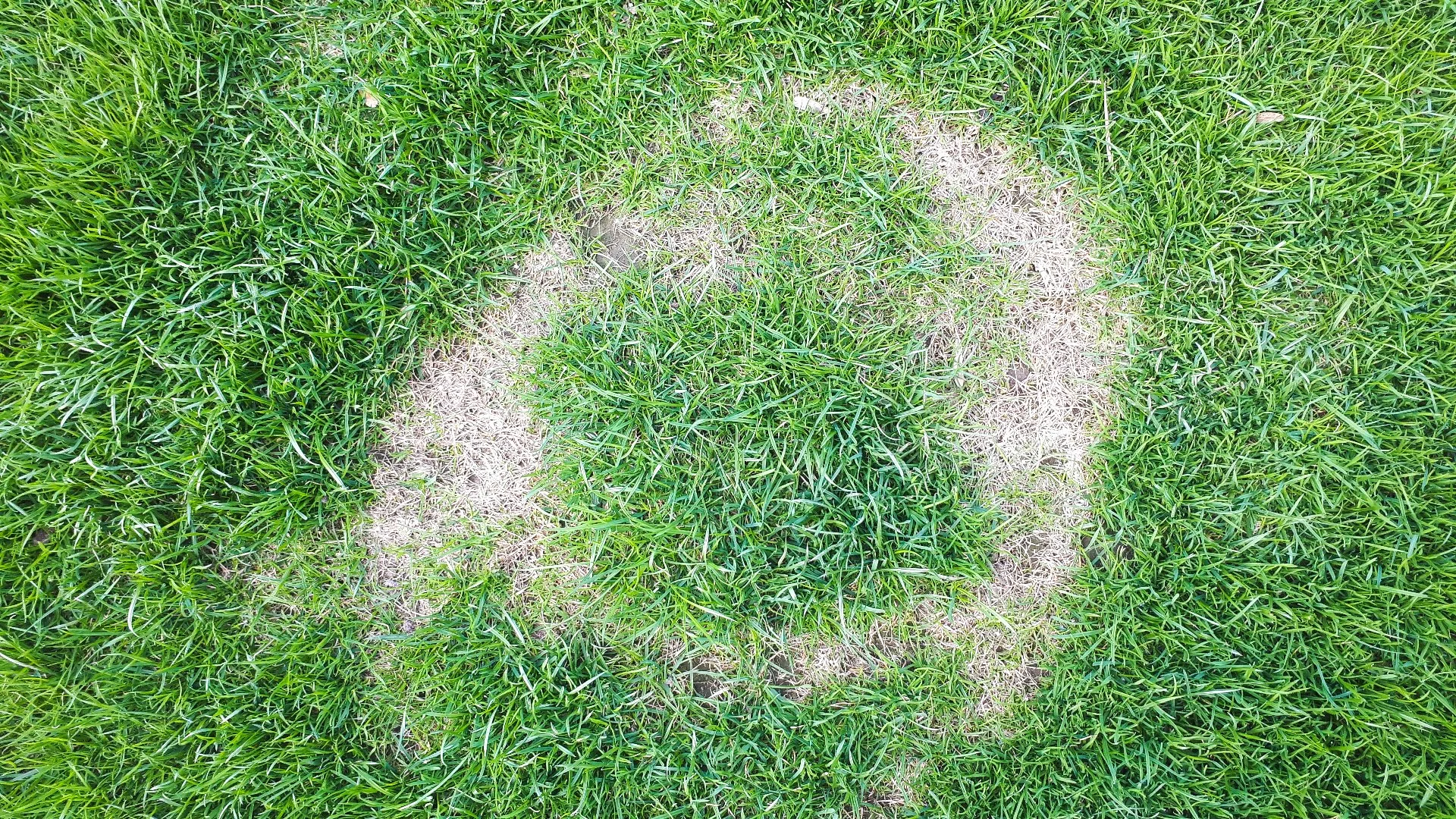
Necrotic ring spot is a turfgrass disease affecting cool-season lawns in Colorado like Kentucky bluegrass, causing circular patches of dead grass. It thrives in conditions with soil compaction, excessive thatch, and moisture, becoming more active in cooler temperatures. If an infection is suspected, it's essential to contact lawn care professionals for diagnosis and treatment, as they can confirm its presence and apply a curative treatment to eliminate it. To prevent this disease from damaging your grass in the first place, you should consider investing in preventative treatments.
What is necrotic ring spot, and how does it damage your lawn?
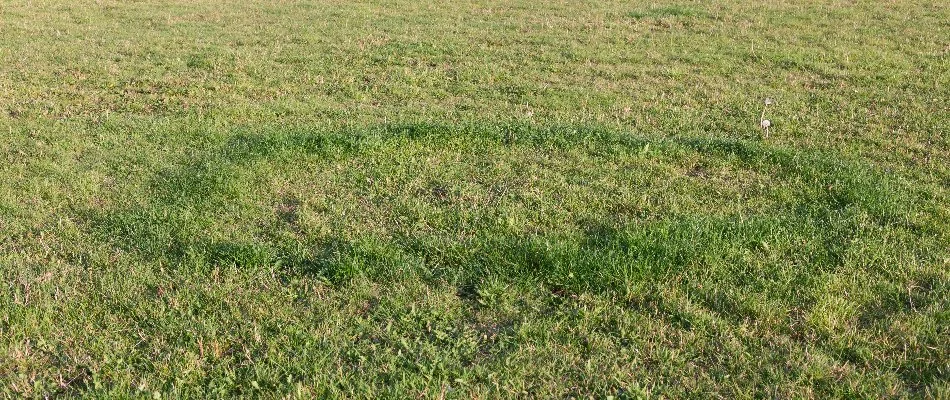
Necrotic ring spot is a turfgrass disease that primarily affects cool-season lawns like Kentucky bluegrass, which is a common lawn in Colorado. The disease manifests as circular patches of dead or dying grass, typically ranging from a few inches to several feet in diameter. These patches often have a distinctive ring-like appearance, with healthy grass in the center and dead grass forming the outer ring.
The damage caused by necrotic ring spot goes beyond just aesthetics. The affected grass becomes thin and weak, making it more susceptible to other stresses such as drought, pests, and additional diseases. Over time, the disease can spread, leading to larger areas of compromised turf and a less robust lawn.
What conditions promote the development of necrotic ring spot?
Necrotic ring spot thrives in specific environmental conditions common in Colorado. One major factor is soil compaction, which restricts air and water movement, creating a favorable environment for the fungus. Lawns with heavy foot traffic are particularly susceptible to compaction. Additionally, excessive thatch, which is an accumulation of dead grass and roots between the soil and living grass, can harbor the fungus and contribute to disease development.
Moisture levels also play a crucial role. The fungus thrives in moist conditions, so overwatering or poor drainage can create an ideal environment for its spread. Furthermore, necrotic ring spot is more active during cooler temperatures, typically in the spring and fall. These seasons are critical times for monitoring and taking preventative measures to protect your lawn.
What should you do if your lawn is infected with necrotic ring spot?
If you suspect an infection of necrotic ring spot in your lawn, it’s crucial to act quickly and seek professional help. Here’s what you should do:
- Contact Lawn Care Professionals: As soon as you notice symptoms, contact lawn care professionals to schedule a curative treatment. They have the expertise to properly diagnose the disease and recommend appropriate fungicide treatments to eliminate the disease and stop it from causing further damage.
- Strengthen Your Grass Through Lawn Care Services: Professionals can provide essential lawn care services to address the underlying issues that led to the disease’s development. Services such as topdressing, slit seeding, and aeration can improve soil structure, reduce thatch, and enhance overall lawn health.
- Preventative Treatments: Investing in preventative disease control treatments is crucial for avoiding future infections of necrotic ring spot. These fungicides are specifically formulated to target this disease, providing a protective barrier against fungal development. These treatments should be timed strategically and must be applied before the disease is most active for effective results. Hire lawn care professionals to ensure the correct fungicide is used and applied at the optimal times to effectively safeguard your lawn.
Call us today to schedule our necrotic ring spot control treatments!
At Total Turf Lawn Care, we understand how frustrating it can be to deal with lawn diseases like necrotic ring spot. That's why we offer a necrotic ring spot control service that is designed to keep this disease from wreaking havoc on your lawn. Our focus is on preventing the onset of the disease, which is why we provide well-timed preventative treatments to keep the fungus from developing in the first place. If your lawn is already suffering from necrotic ring spot, we will devise a treatment plan to help it recover. This plan will typically include curative treatments as well as topdressing, slit seeding, and aeration to help it recover.
We offer our necrotic ring spot control service to residential and commercial properties, as well as HOAs, in Longmont, Niwot, Frederick, and other surrounding areas in Colorado. Call us today at (720) 343-9845 to schedule!
