

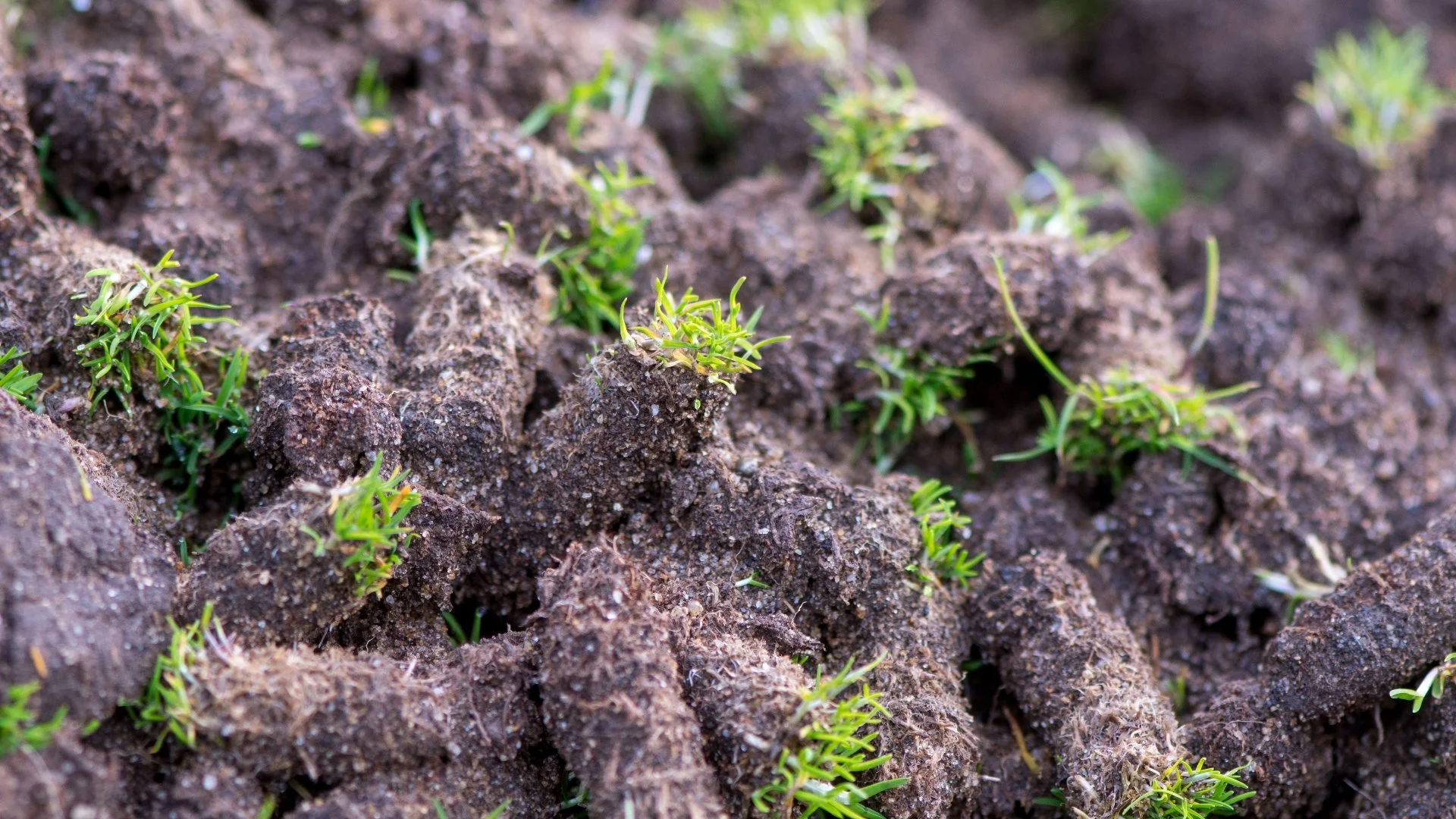
After aeration, clumps of soil, known as soil cores, appear on lawns. These cores result from perforating the soil to alleviate compaction, promoting air, water, and nutrient absorption. Although they may look unsightly, leaving them on the lawn is beneficial as they decompose naturally, enriching the soil and enhancing lawn health. This process supports microbial activity crucial for nutrient cycling. If their appearance bothers you, you can break them up with a rake or mow over them to speed up decomposition. Removing them is not recommended, as they provide valuable nutrients essential for a thriving lawn in Colorado.
Why are there clumps of soil on your lawn after aeration?
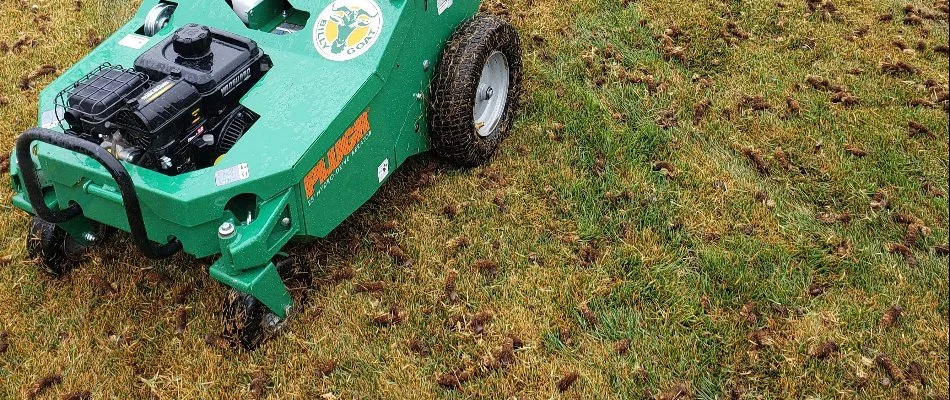
The clumps of soil you see after aeration are known as soil cores. These cores are an integral part of the aeration process, which involves perforating the soil with small holes to allow air, water, and nutrients to penetrate the roots. This process helps to alleviate soil compaction, which can hinder root growth and reduce the lawn's ability to absorb water and nutrients. By pulling soil cores up from the ground, aeration loosens the compacted soil, promoting better air circulation and root development.
Soil cores are essentially plugs of soil and thatch that are removed during aeration. While they may look unsightly initially, they are a sign that the aeration process is working as intended. These cores are left on the surface of your lawn to break down naturally over time, enriching the soil and contributing to a healthier lawn ecosystem.
You Should Leave the Soil Cores on Your Lawn So They Decompose Naturally
The best course of action is to leave the soil cores on your lawn. While they may seem like a nuisance, these clumps will decompose naturally, returning valuable nutrients to the soil. As they break down, they help to improve soil structure and enhance the lawn's overall health. The decomposing process can take a few weeks, depending on weather conditions and soil type, but patience will yield significant benefits.
Leaving the cores on your lawn after it's been aerated also supports microbial activity, which is essential for breaking down organic matter and maintaining soil health. These microbes play a crucial role in nutrient cycling, ensuring that your grass receives the nutrients it needs to thrive.
What should you do if you don't like the look of the soil cores on your lawn?
While it's highly recommended to leave the soil cores on your lawn after core aeration, you may not like their appearance. If so, there are some things you can do to help speed up the decomposition process or remove them altogether. Here are some options:
- Break Up the Soil Cores With a Rake: You can break up the soil cores with a rake to help them decompose faster and return nutrients to the soil sooner.
- Mow Over the Soil Cores: Another option is to mow over the soil cores to break them up and make them smaller so they decompose quicker.
- Remove the Soil Cores Completely: While it's not recommended to remove the soil cores altogether, you can do so if you really don't like the way they look. However, it's best to leave them to decompose naturally so they can give back to your lawn.
Call Us to Schedule Our Core Aeration Service & Strengthen Your Lawn's Roots
At Total Turf Lawn Care, we offer our core aeration service to residential and commercial properties, as well as HOAs, in Longmont, Niwot, Frederick, and other surrounding areas in Colorado. Our team will pull up small plugs of soil from your lawn to loosen compaction and strengthen your turf's roots. We offer core aeration in the spring and fall, as this season provides the best conditions for your grass to recover from this invasive process. Give us a call today at (720) 343-9845 to schedule this service and help your lawn reach its full potential!
