

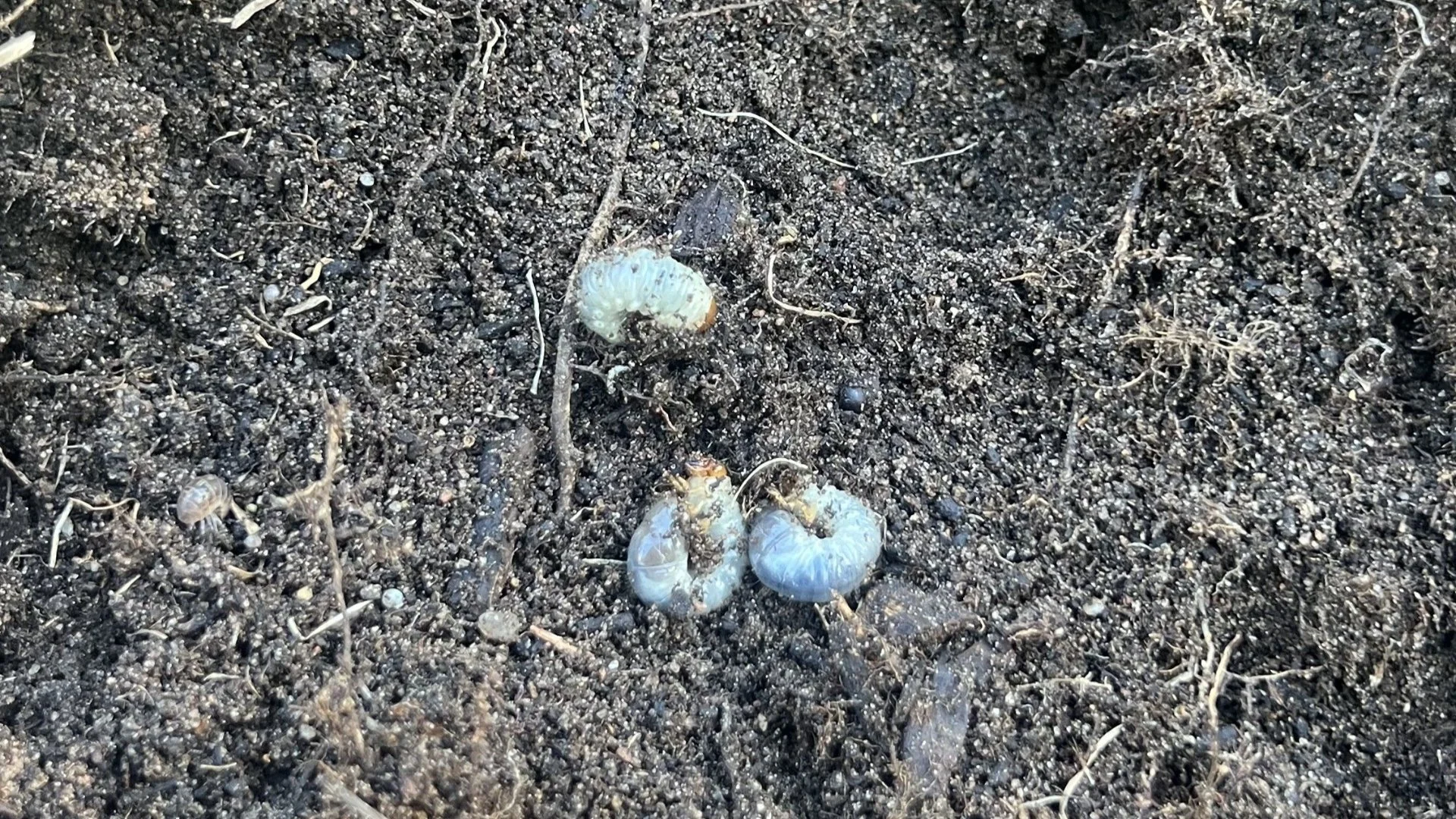
Grubs can cause extensive damage to your lawn in Colorado if left unchecked, so taking proactive measures to prevent them is crucial. Preventative grub control treatments are essential for maintaining a healthy lawn by targeting grubs in their early stages, preventing damage before it starts. These treatments, applied in late spring, contain insecticides absorbed by the roots, killing grubs as they feed. Timing is crucial; applying too early or late reduces effectiveness. Skipping these treatments can lead to grub infestations, resulting in brown patches and weakened grass. You'll then need curative treatments and possibly additional lawn care services like aeration and overseeding to repair the damage. Investing in preventative measures saves time, money, and keeps your lawn vibrant.
How do preventative grub control treatments work?
Preventative grub control treatments are designed to stop grubs before they become a problem. They work by targeting the larvae during their early stages of development, before they have a chance to grow and cause damage to your lawn. These treatments typically contain insecticides that are absorbed into the soil and taken up by the roots. When grubs feed on these roots, they ingest the insecticide, which disrupts their growth and eventually kills them.
The key to successful preventative treatment is timing. These treatments need to be applied when grubs are most vulnerable, which is typically in their early larval stages. By doing so, you can effectively prevent a grub infestation before it starts, saving your lawn from potential damage and the need for more intensive interventions later on.
When should preventative grub control treatments be applied?
Timing is crucial for preventative grub control. The best time to apply these treatments is in late spring, around May. During this period, beetles lay their eggs in the soil, and the grubs begin to hatch. Applying the treatment at this time ensures that the insecticide is present in the soil when the grubs start feeding on the roots.
Applying the treatment too early or too late can reduce its effectiveness. If applied too early, the insecticide may break down before the grubs hatch. If applied too late, the grubs may have already caused significant damage. Therefore, keeping an eye on the calendar and local conditions is essential to ensure your treatment is applied at the optimal time.
What happens if you skip preventative grub control treatments?
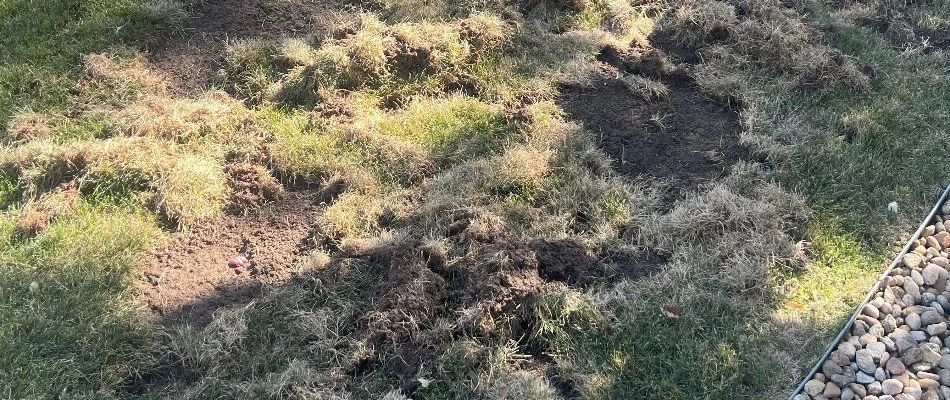
Skipping preventative grub control treatments can lead to a host of problems for your lawn. Here’s what you might face:
- Grubs could infest your lawn. Without preventative measures, your lawn becomes susceptible to grub infestations. Grubs feed on the roots of your grass, causing it to turn brown and die. This can lead to unsightly patches and weaken the overall health of your lawn.
- You would need to schedule a curative treatment to eliminate grubs. Once grubs have infested your lawn, you’ll need to resort to curative treatments to eliminate them. These treatments are typically more intensive and may require multiple applications to be effective. Additionally, they might not be able to reverse the damage already done to your lawn.
- You might also need to invest in lawn care services to help your lawn recover from the damage. After a grub infestation, your lawn may need additional care to recover. This could include services like aeration, overseeding, and fertilization to help your grass regain its strength and fill in any bare patches left by the grubs.
Call us today to schedule our grub control service!
Preventative grub control offers a proactive approach to managing potential grub infestations. At Total Turf Lawn Care, we will help you protect your lawn from severe damage with our grub control service! We offer preventative treatments, applied in May, to ensure they are in place before grubs start becoming a problem.
Our team also offers curative treatments if you missed a preventative application and grubs have already taken over your lawn. We offer our grub control treatments to commercial and residential properties, as well as HOAs, in Longmont, Niwot, Frederick, and surrounding areas in Colorado. Call us at (720) 343-9845 to schedule!
